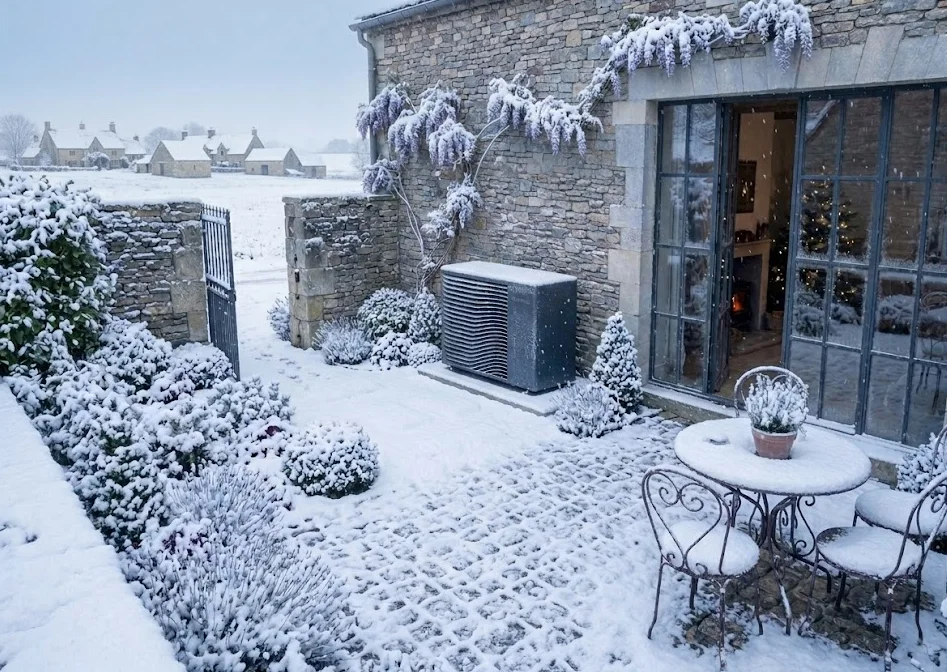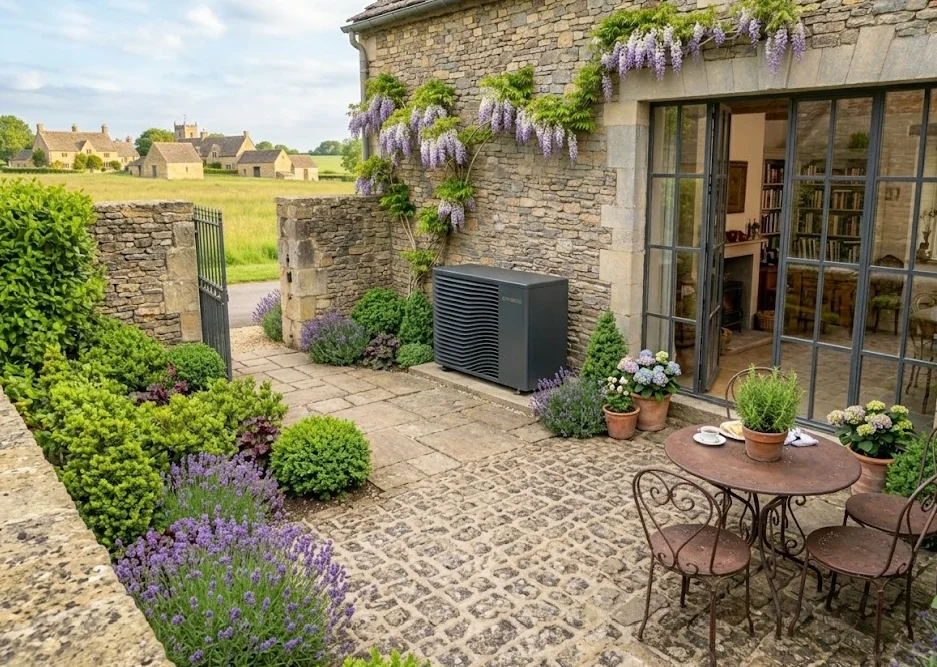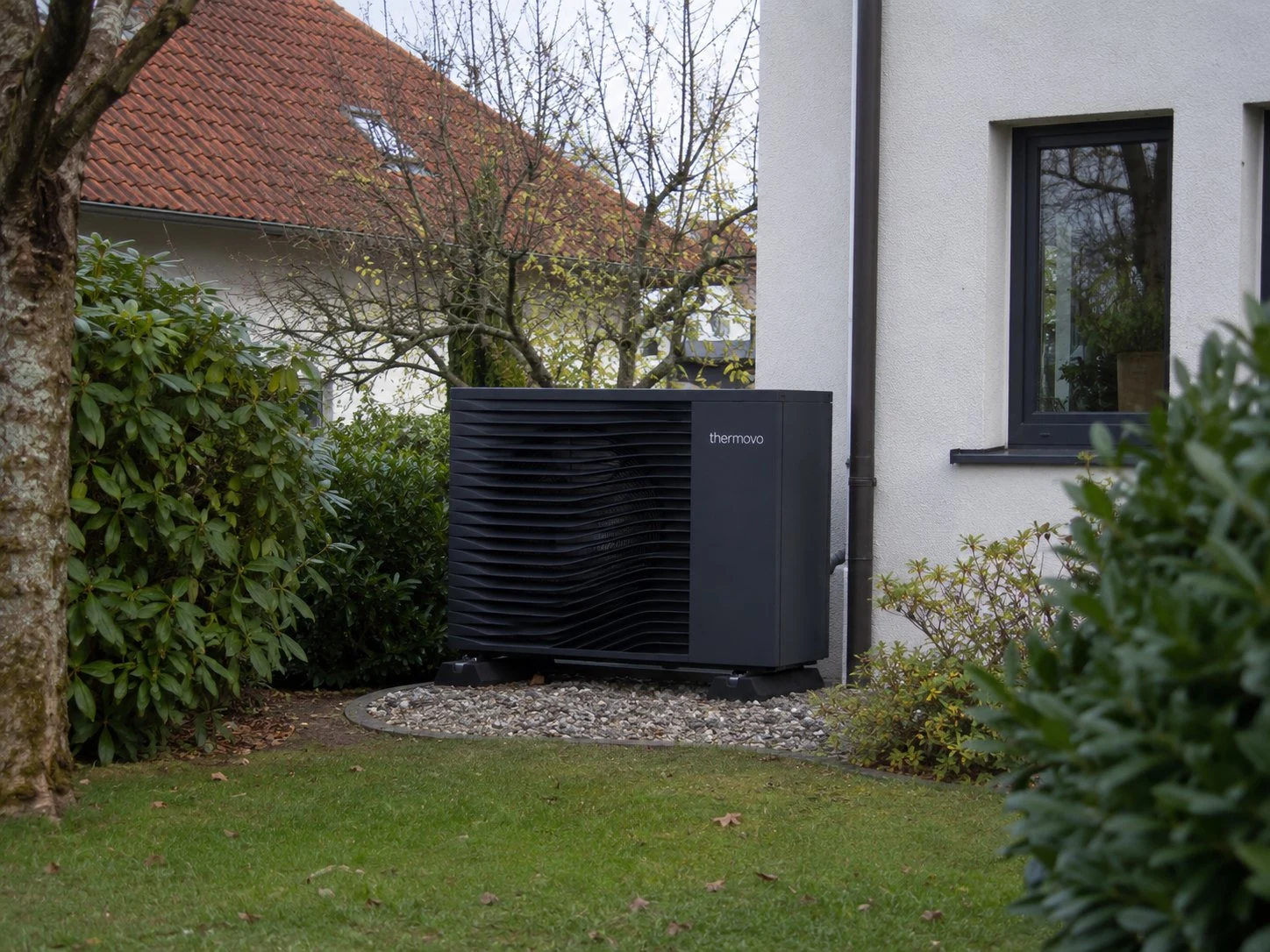
Both systems move heat rather than create it directly. The important difference is where they exchange heat: outdoor air or the ground.
Air-source in practice
An air-source system needs a suitable outdoor-unit location, airflow, drainage and service access. Installation is generally less disruptive because it does not require a buried collector. Output and efficiency vary with outdoor temperature, so cold-condition performance data matter.
Ground-source in practice
Ground-source systems use buried pipework in trenches or boreholes. The ground temperature is more stable, but the project requires suitable land or drilling access. Energy Saving Trust’s ground-source guide highlights space, machinery access, geology and collector design as key considerations.
Compare the whole project
Do not compare heat-pump units alone. Include excavation or drilling, ground surveys, electrical work, distribution-system changes, permits, commissioning and reinstatement. Request a life-cycle comparison using the same heat demand, energy price assumptions and maintenance horizon.
Space, sound and disruption
Air-source systems place equipment outdoors, so sound and location need assessment. Ground-source systems reduce exposed outdoor equipment but require significant ground works. Ask what areas will be inaccessible during installation and how landscaping will be restored.
Design and accountability
For air source, request capacity at the winter design temperature. For ground source, request the basis for loop or borehole sizing and who accepts responsibility for ground conditions. In both cases, confirm flow temperature and heat-emitter compatibility.
A practical decision
Air source often suits projects prioritising simpler installation and lower initial disruption. Ground source deserves consideration where land or drilling access exists and the owner accepts higher project complexity for a stable heat source. Local quotations and surveys—not generic payback claims—should decide. Ask Thermovo about the suitable system boundary.
Before requesting a project quotation
| Check | Information to prepare |
|---|---|
| Project scope | State the country, project type, operating conditions and required delivery date. Identify which decisions still need an installer or designer. |
| Topic-specific evidence | site feasibility and comparable source-system project scopes |
| Responsibility and acceptance | Record who supplies, installs, commissions and services the equipment. Ask which documents and checks are included, and confirm exclusions in writing. |
This checklist helps define a request; it is not a model performance claim, installation design or promise of availability.
Relevant equipment · Request a project quotation — Selection and procurement · About Thermovo
Continue your project planning
How to Choose a Heat Pump: Six Questions Before You Buy · Comparing Heat Pump Quotes: Look Beyond the Equipment Price