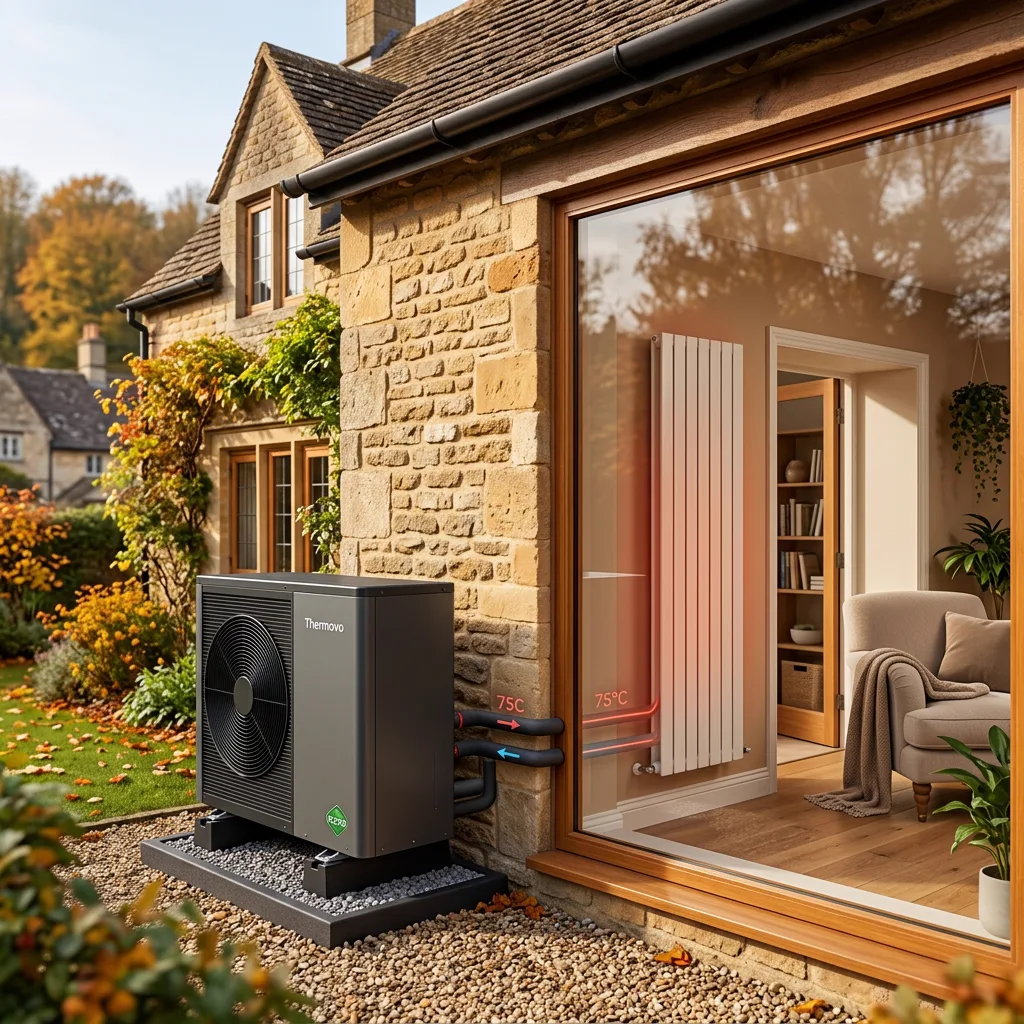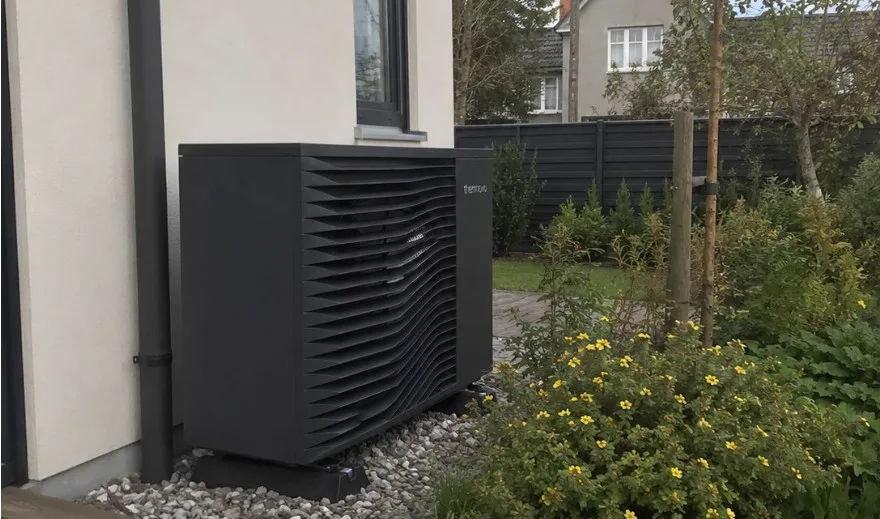
Underfloor heating is one of the best partners for an air source heat pump. It turns a large floor area into a low-temperature radiator, allowing the heat pump to deliver comfort with lower flow temperatures and a higher seasonal COP.
The design target is simple: keep the water temperature as low as possible while still meeting the room heat load on the coldest days.
1. Why Low Flow Temperature Matters
Every 5°C reduction in flow temperature can improve heat pump efficiency noticeably. A system running at 35°C is usually cheaper to operate than one running at 50°C because the compressor works against a smaller temperature lift.
Typical design ranges:
| Building Type | Flow Temperature Target |
|---|---|
| New build with good insulation | 28°C to 35°C |
| Renovation with upgraded insulation | 32°C to 40°C |
| Mixed floor heating and radiators | 35°C to 45°C |
2. Pipe Spacing and Output
Underfloor loops must be designed from the heat loss calculation, not guessed on site. Tight pipe spacing in bathrooms, perimeter zones, and rooms with large glazing helps deliver enough heat without raising the entire system temperature.
Good practice includes balanced loop lengths, correct flow rates, and manifold commissioning. A beautiful floor does not guarantee efficient heating unless the hydraulics are balanced.
3. Avoid Over-Zoning
Too many small zones can cause the heat pump to short cycle when only one room calls for heat. Heat pumps prefer steady water flow and long run times. Use room controls where required, but keep enough open circuit volume for stable operation.
4. Commission the Weather Curve
Weather compensation adjusts flow temperature according to outdoor temperature. It is one of the easiest ways to save energy after installation. Start with the lowest curve that keeps the building comfortable, then fine-tune gradually.
Thermovo Recommendation
For new homes, pair an R290 or R32 Thermovo heat pump with underfloor heating designed for 35°C or lower. For renovations, combine insulation upgrades, larger emitters where needed, and careful commissioning. The reward is quiet comfort and a SCOP that matches the promise on paper.
Before requesting a project quotation
| Check | Information to prepare |
|---|---|
| Project scope | State the country, project type, operating conditions and required delivery date. Identify which decisions still need an installer or designer. |
| Topic-specific evidence | room loads, floor construction and loop balancing calculations |
| Responsibility and acceptance | Record who supplies, installs, commissions and services the equipment. Ask which documents and checks are included, and confirm exclusions in writing. |
This checklist helps define a request; it is not a model performance claim, installation design or promise of availability.
Relevant equipment · Request a project quotation — Emitters, hot water and cooling · About Thermovo
Continue your project planning
Heat Pump Radiator Retrofits: Room-by-Room Output Checks · How to Choose a Heat Pump: Six Questions Before You Buy