Thermovo
Back to Blog
Maintenance

Heat Pump Winter Maintenance: 7 Essential Tips to Keep Your System Running Efficiently

2025-01-05Thermovo Technical Team9 min read
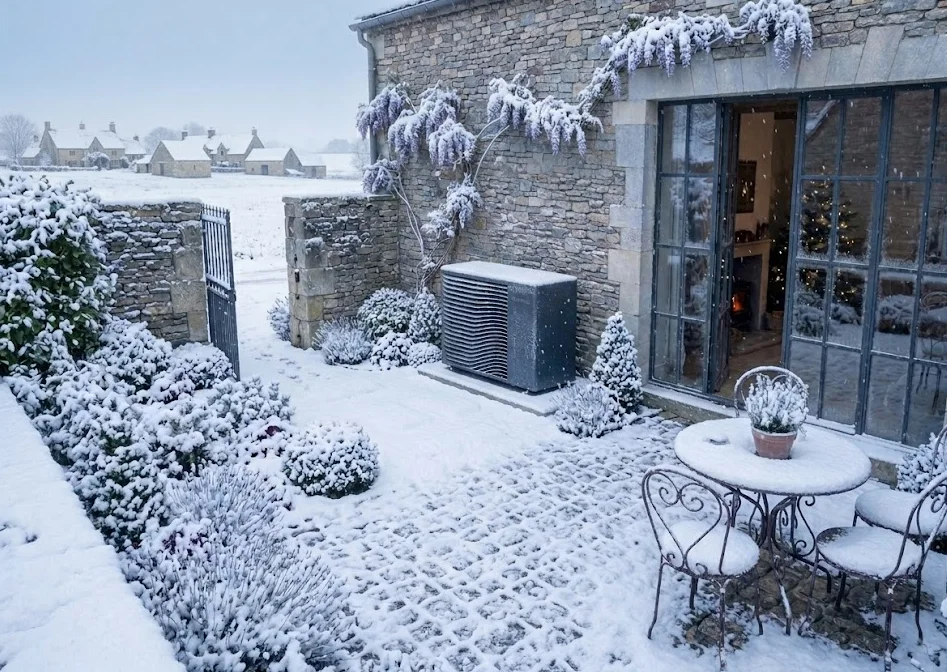
Cover image for article: Heat Pump Winter Maintenance: 7 Essential Tips to Keep Your System Running Efficiently

Heat Pump Winter Maintenance: 7 Essential Tips to Keep Your System Running Efficiently

Winter is when your heat pump works hardest — and when a breakdown hurts most. A well-maintained heat pump will sail through sub-zero temperatures without complaint. A neglected one will struggle, consume more electricity, and potentially fail on the coldest night of the year.

The good news? Most winter maintenance is simple, quick, and doesn't require a technician. Here are seven essential things every heat pump owner should do before and during the heating season.


1. Keep the Outdoor Unit Clear of Snow, Ice, and Debris

Your outdoor unit needs free airflow to extract heat from the outside air. When snow builds up around or on top of the unit, it restricts airflow and forces the compressor to work harder — reducing efficiency and increasing wear.

What to Do:

  • Clear a 1-metre perimeter around the unit after every snowfall — shovel or brush snow away, don't pile it against the unit
  • Remove snow from the top — never let snow accumulate on the unit casing, as it can melt, refreeze, and block the fan
  • Check after wind — drifting snow can bury a unit even without fresh snowfall
  • Inspect the coil fins — look for ice buildup on the coil surface (a thin layer is normal; thick, uneven ice is not)

What NOT to Do:

  • Never use hot water to de-ice — the thermal shock can damage the coil
  • Never chip at ice with sharp tools — you'll bend the delicate aluminium fins
  • Never cover the unit with a tarp or enclosure — this traps moisture and blocks airflow

Pro Tip:

Consider installing a heat pump stand or wall bracket to raise the unit 30-50 cm above ground level. This prevents snow accumulation around the base and improves drainage.


2. Check and Clean (or Replace) Air Filters Monthly

This is the single highest-impact maintenance task — and the one most often neglected. A clogged air filter restricts airflow through the indoor unit, reducing heat output and increasing energy consumption by 10-20%.

How to Check:

  1. Locate the air filter — usually behind a front panel on the indoor unit or in the return air duct
  2. Remove the filter and hold it up to a light source
  3. If you can't see light through the filter material, it needs cleaning
  4. Check for any tears or damage — replace if compromised

How to Clean:

  • Washable filters: rinse with lukewarm water (no detergent), shake off excess water, air-dry fully before reinstalling
  • Disposable filters: replace with the manufacturer-specified type — don't try to wash them
  • Frequency: monthly during heavy-use winter months; every 2-3 months in shoulder seasons

A clean filter can be the difference between a comfortable 21°C and a struggling 18°C — for zero cost.


3. Monitor the Defrost Cycle

Every air-source heat pump defrosts itself periodically during cold weather. When the outdoor coil temperature drops below freezing, moisture from the air freezes on the coil surface. The heat pump detects this and briefly reverses its cycle to pump hot refrigerant through the outdoor coil, melting the ice.

What's Normal:

  • A defrost cycle lasting 3-10 minutes
  • Steam or vapour rising from the outdoor unit during defrost (it looks alarming but it's normal)
  • Water dripping or pooling beneath the unit after defrost
  • Temporary drop in indoor air temperature during defrost (the unit briefly runs in cooling mode)
  • Defrost intervals of 30-90 minutes in cold, humid weather

What's NOT Normal:

  • Defrost cycles longer than 15 minutes
  • Ice building up between defrost cycles (the coil should be mostly clear after defrost)
  • A solid block of ice forming on the coil that doesn't melt
  • Defrost cycles occurring every 5-10 minutes
  • No defrost activity at all in sub-zero weather

If you notice any of these issues, call a technician. Continuous ice buildup can physically damage the outdoor coil.


4. Ensure Proper Drainage

When your heat pump defrosts, it produces water — potentially several litres per day in humid winter conditions. If this water can't drain away, it will freeze into a dangerous ice patch around your unit.

What to Check:

  • The drain pan or drip tray beneath the outdoor unit is clear of debris
  • Drain holes are not blocked by ice, leaves, or dirt
  • Water flows away from the unit and away from walkways
  • The unit is mounted level (or with a slight tilt toward the drain)

If water pools and freezes around the base, it can eventually build up into the unit itself — potentially damaging the fan, coil, and compressor. Installing a gravel bed or drainage channel beneath the unit is a simple, permanent solution.


5. Maintain Consistent Indoor Temperature Settings

It's a common misconception that turning the heat pump off when you leave the house saves energy. In reality, heat pumps are most efficient when maintaining a steady temperature. Allowing the indoor temperature to drop significantly and then asking the heat pump to recover that heat requires the system to run at maximum output — its least efficient operating point.

Best Practice:

  • Daytime: 20-21°C when occupied
  • Nighttime: reduce by 2-3°C maximum — no more
  • Away for the day: reduce by 3-4°C at most
  • Away for extended periods (1+ week): set to 15-16°C frost protection

Use your thermostat's schedule function to automate these settings. Avoid large manual adjustments — a 5°C swing costs more energy than maintaining a steady 20°C.

Why This Matters More in Winter:

In very cold weather (-5°C and below), recovering from a large temperature setback can take 2-4 hours and may require backup electric resistance heating — which costs 3-4x more per kWh than heat pump operation.


6. Inspect Pipe Insulation

Exposed pipework between the outdoor and indoor units needs proper insulation — not just for efficiency, but to prevent freezing. Poorly insulated pipes lose heat to the outside air, forcing the system to work harder, and in extreme cold, condensate inside the insulation can freeze and damage the pipe.

What to Inspect:

  • All visible refrigerant pipework is fully covered by insulation (no gaps, cracks, or exposed copper)
  • Insulation is intact — look for UV degradation, animal damage, or physical wear
  • Pipe penetrations through walls are properly sealed against drafts and moisture
  • Condensate drain lines (if exposed) are insulated and sloped correctly

Replace any damaged insulation with closed-cell foam rated for outdoor use — it's inexpensive and takes minutes to install.


7. Schedule Professional Annual Servicing — Before Winter

While most winter maintenance is DIY, an annual professional service is essential for long-term reliability and efficiency. Schedule it in early autumn (September-October) — before heating season starts and before technicians get busy with emergency call-outs.

What a Professional Service Includes:

  • Refrigerant charge verification (low refrigerant = low efficiency and potential compressor damage)
  • Electrical connection inspection and torque check
  • Coil cleaning (both indoor and outdoor)
  • Fan and motor inspection
  • Defrost cycle function test
  • Control system and sensor calibration check
  • Condensate drain clearing
  • Overall system performance assessment

A professional service typically costs €150-250 and takes 1-2 hours. It's the cheapest insurance against a €1,000+ emergency repair in February.


Troubleshooting Common Winter Problems

ProblemPossible CauseWhat to Do
Unit not heatingTripped circuit breakerCheck and reset; if it trips again, call a technician
Weak airflowClogged filterClean or replace filter
Outdoor unit frozen solidFailed defrost cycleCall a technician — do not attempt to de-ice forcefully
Unusual noise (grinding, banging)Ice in fan, failing motor bearingTurn off unit, call technician
Indoor unit blowing cold airUnit in defrost modeWait 5-10 minutes; normal during defrost
Higher than normal electricity billDirty filter, low refrigerant, thermostat issuesCheck filter first; if persistent, schedule service
Water leaking indoorsBlocked condensate drainClear visible blockage; call technician if internal

What NOT to Do in Winter

  • Don't turn the system off completely — even if you're away, keep it at 15°C to prevent frozen pipes
  • Don't use antifreeze or de-icing chemicals on the outdoor coil — they can corrode aluminium fins and void your warranty
  • Don't ignore warning lights or error codes — they're telling you something before a minor issue becomes a major failure
  • Don't cover the outdoor unit — it needs airflow; enclosures trap moisture
  • Don't set the thermostat to maximum to "heat up faster" — heat pumps don't work like gas boilers; they heat at a steady rate regardless of the setpoint

Frequently Asked Questions

Q: How often should I check my heat pump in winter? Weekly visual inspection of the outdoor unit for snow/ice buildup. Monthly filter check. No need to obsess — these are robust machines.

Q: My heat pump makes loud buzzing or whooshing sounds in winter. Is that normal? Some noise increase is normal in very cold weather as the compressor works harder. But grinding, banging, or loud vibrating sounds warrant a service call.

Q: Can I install a shelter over my outdoor unit? Yes — a simple roof or awning that keeps snow off the top without enclosing the sides is beneficial. Ensure at least 1 metre clearance on all sides and above.

Q: How long should a well-maintained heat pump last? 15-20 years for the outdoor unit, with proper annual servicing. Indoor air handlers can last 20-25 years. The compressor is typically the first major component to need replacement.

Q: Does Thermovo provide winter maintenance services? We provide full technical support and maintenance guidance through our European partner network. Contact us for recommended service providers in your region.


This guide covers general best practices. Always follow your specific heat pump's manufacturer manual and consult a qualified technician for any issues you're unsure about.